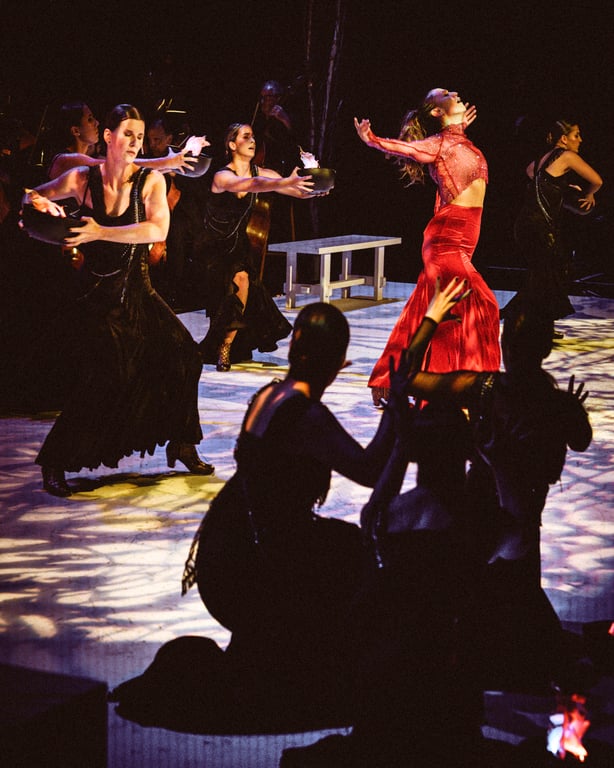
The History of Flamenco: From Andalusian Roots to World Heritage
A chronological journey through the history of flamenco, from its fusion of cultures in Andalusia to its recognition as a UNESCO Intangible Cultural Heritage of Humanity.
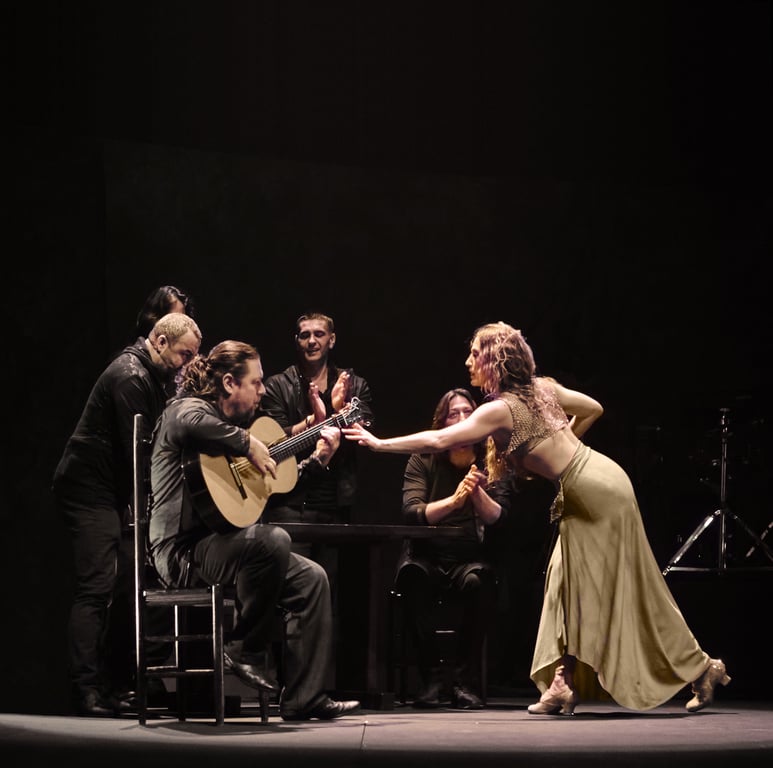
Flamenco vs. Sevillanas: What's the Real Difference?
Sevillanas and flamenco are often confused, but they are not the same thing. Here is a clear, fact-based look at how a social folk dance differs from the improvised art of flamenco.
Flamenco UNESCO Heritage: Why It Was Named a Treasure of Humanity
On 16 November 2010, flamenco was inscribed on UNESCO's Representative List of the Intangible Cultural Heritage of Humanity. Here is what that recognition means and why the art earned it.
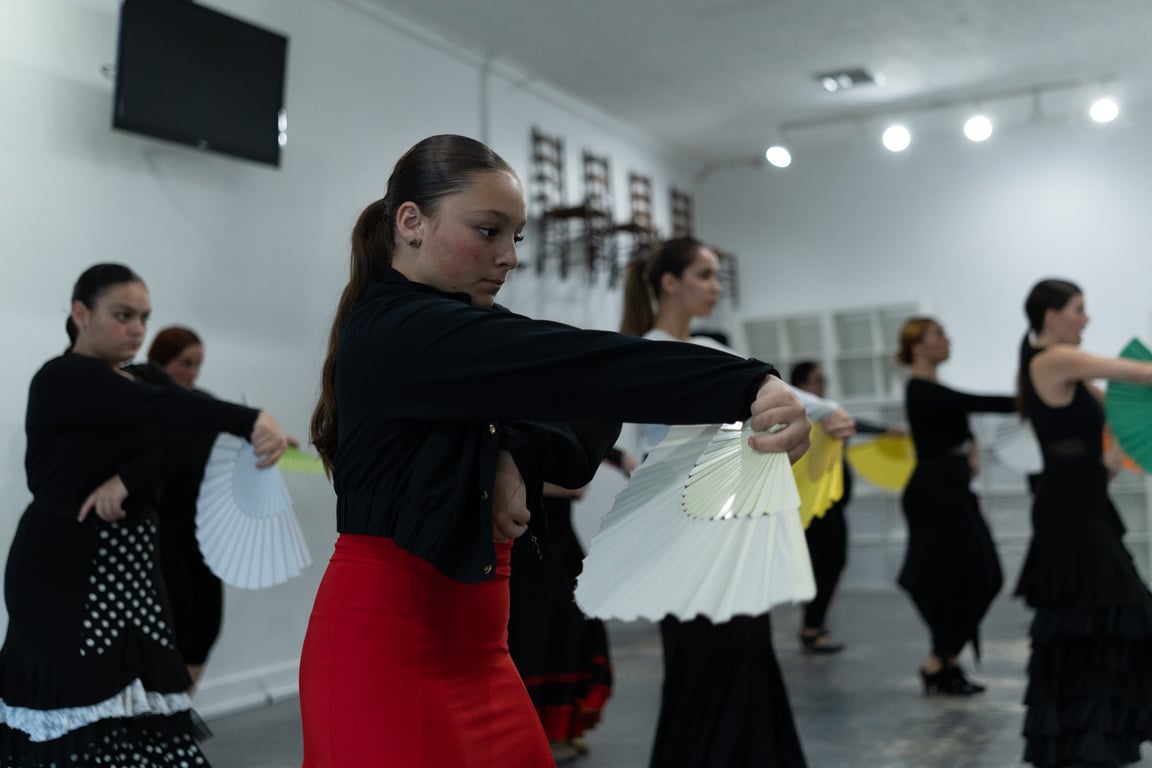
Flamenco Shoes: How They Are Built and Why They Sound
Flamenco shoes are dance instruments, not costume. Here is how they are built, why sneakers cannot make the sound, and how to choose and care for your first pair.
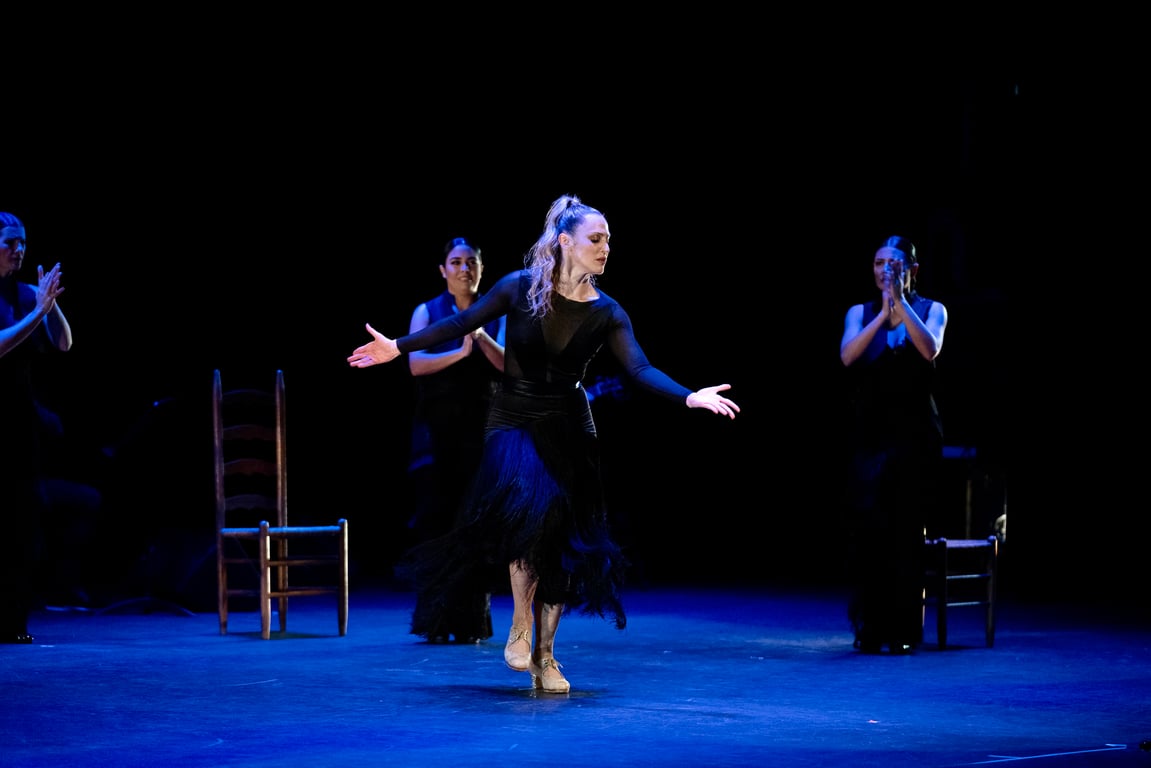
Flamenco Music and Instruments: The Sound Behind the Dance
A complete guide to the sound of flamenco: how cante, guitar, and percussion interlock through compas, and which instruments truly belong to the art.
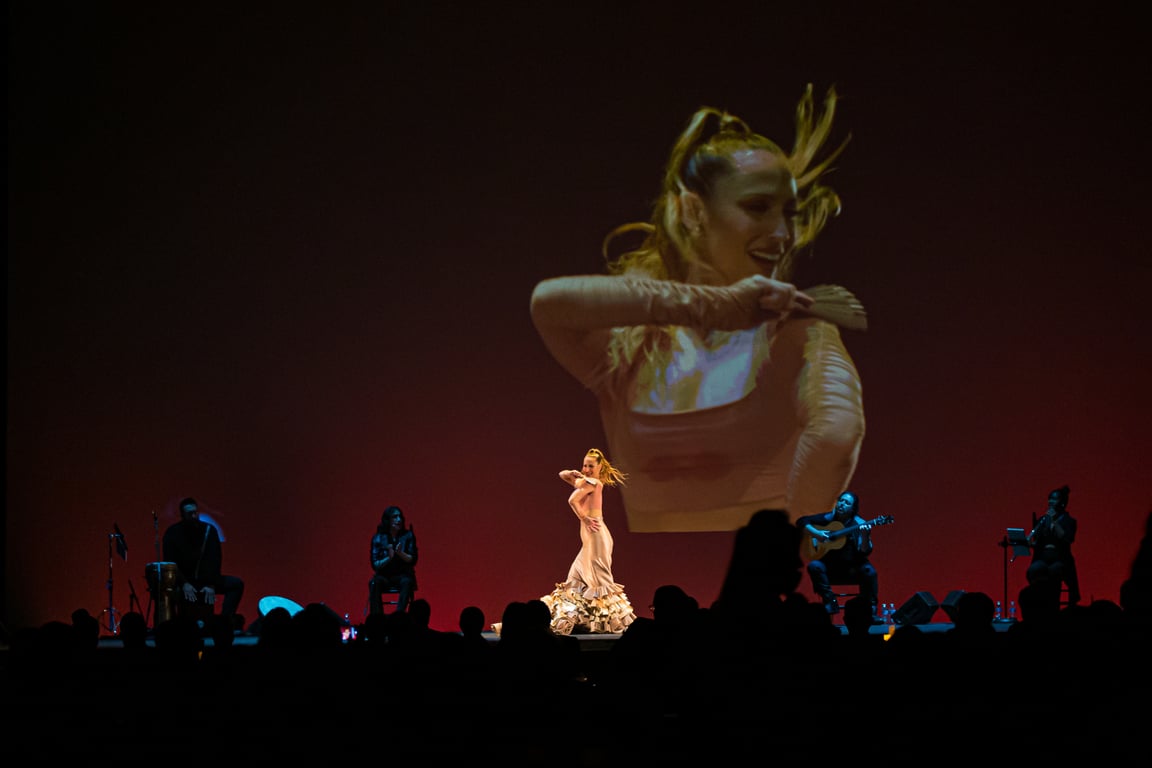
Flamenco Guitar for Beginners: A Practical First Guide
What makes a flamenco guitar different, the right-hand techniques that define its sound, and how a beginner can start playing in compas.
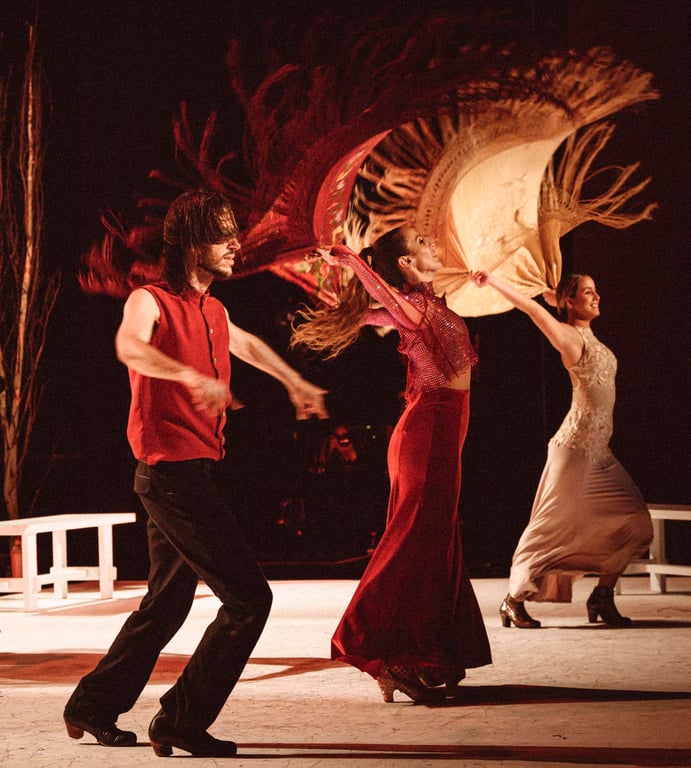
Flamenco Dress and Attire: A Complete Guide to What Flamenco Dancers Wear
From the ruffled traje de flamenca to nail-soled flamenco shoes, here is a clear, practical guide to what flamenco dancers actually wear — on stage and in class.
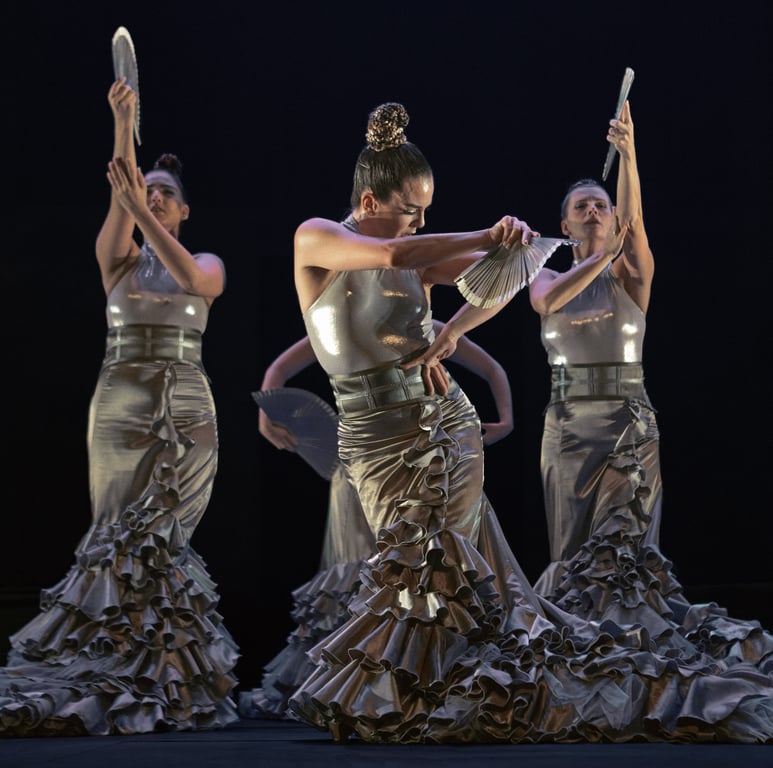
Cante, Toque, Baile: The Three Elements of Flamenco
Flamenco is built from three intertwined elements: cante (song), toque (guitar), and baile (dance), supported by palmas and jaleo. Here is how each works and how they come alive together.
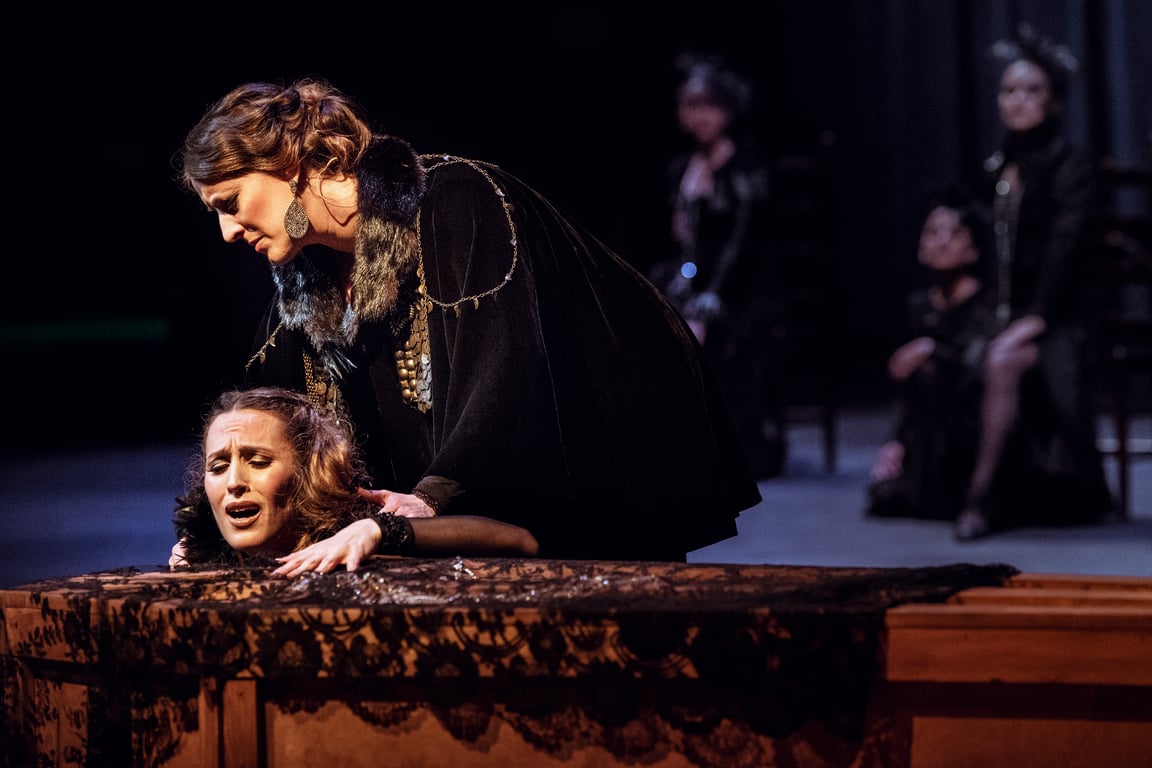
Cafes Cantantes and the Golden Age of Flamenco
How the cafes cantantes turned flamenco into a public, professional art during its celebrated Golden Age, and how tablaos later carried the tradition into the modern era.