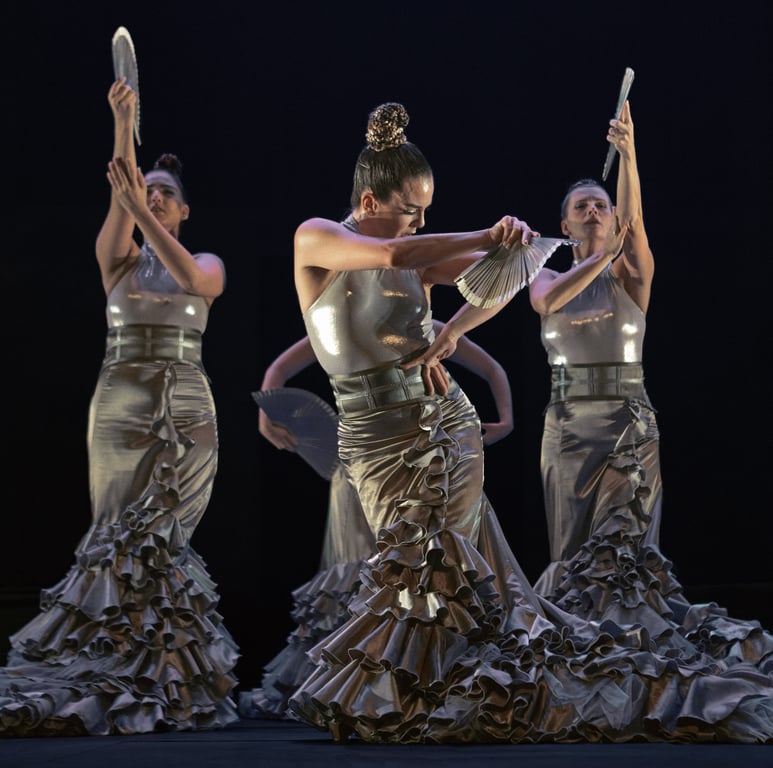
Women in Flamenco: The Bailaora, the Cantaora, and the Great Women
Women have stood at the center of flamenco in both song and dance. Here is a clear look at the female flamenco dancer, the traditions of baile femenino, the bata de cola and manton, and the great women who shaped the art.
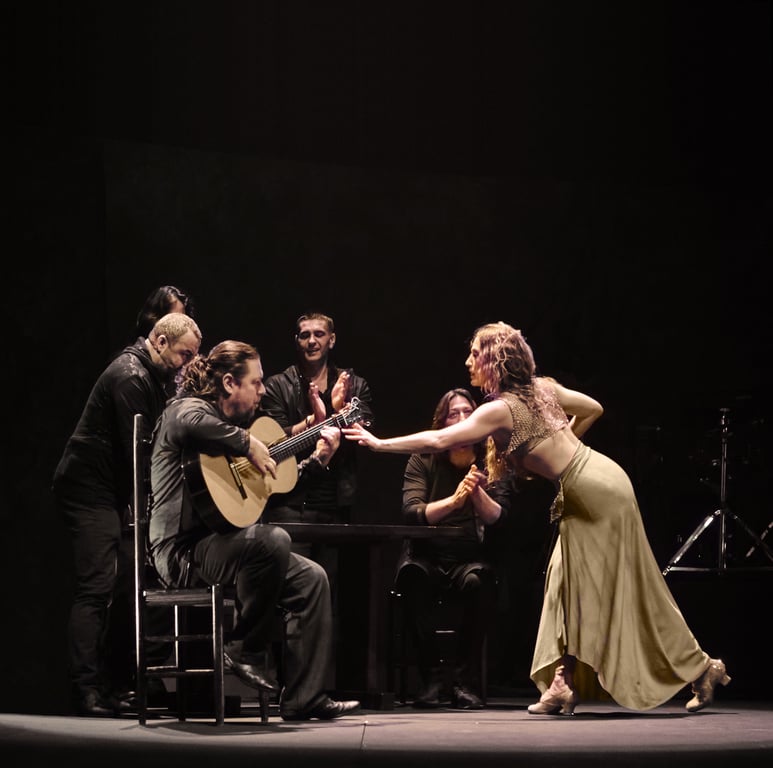
What Is Zambra? The Flamenco of Granada's Sacromonte Caves
Zambra is a flamenco form born in the Romani cave dwellings of Sacromonte in Granada, fusing Arab, Roma, and Andalusian influences. Here is where it comes from and what makes it distinct.
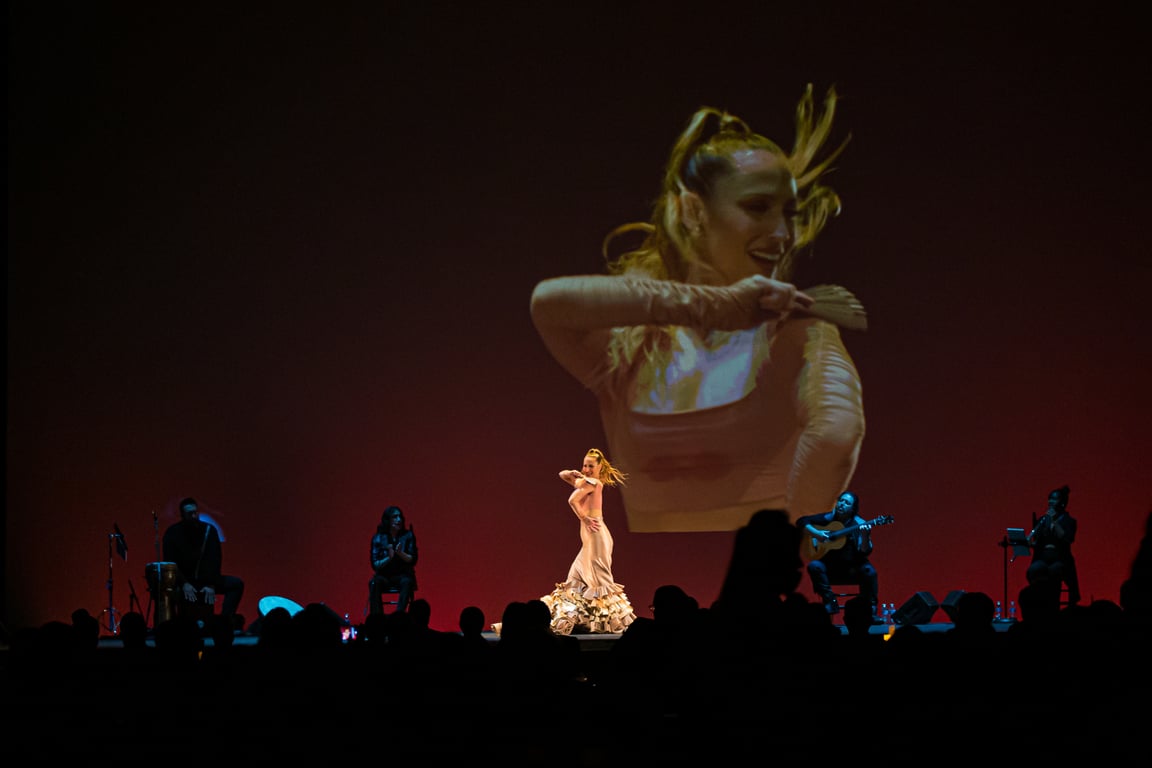
What Are Cana and Polo? Two of Flamenco's Oldest Cantes
The cana and polo are among the oldest and most foundational cantes in flamenco, both belonging to the solea family and so closely related they are almost a single form.
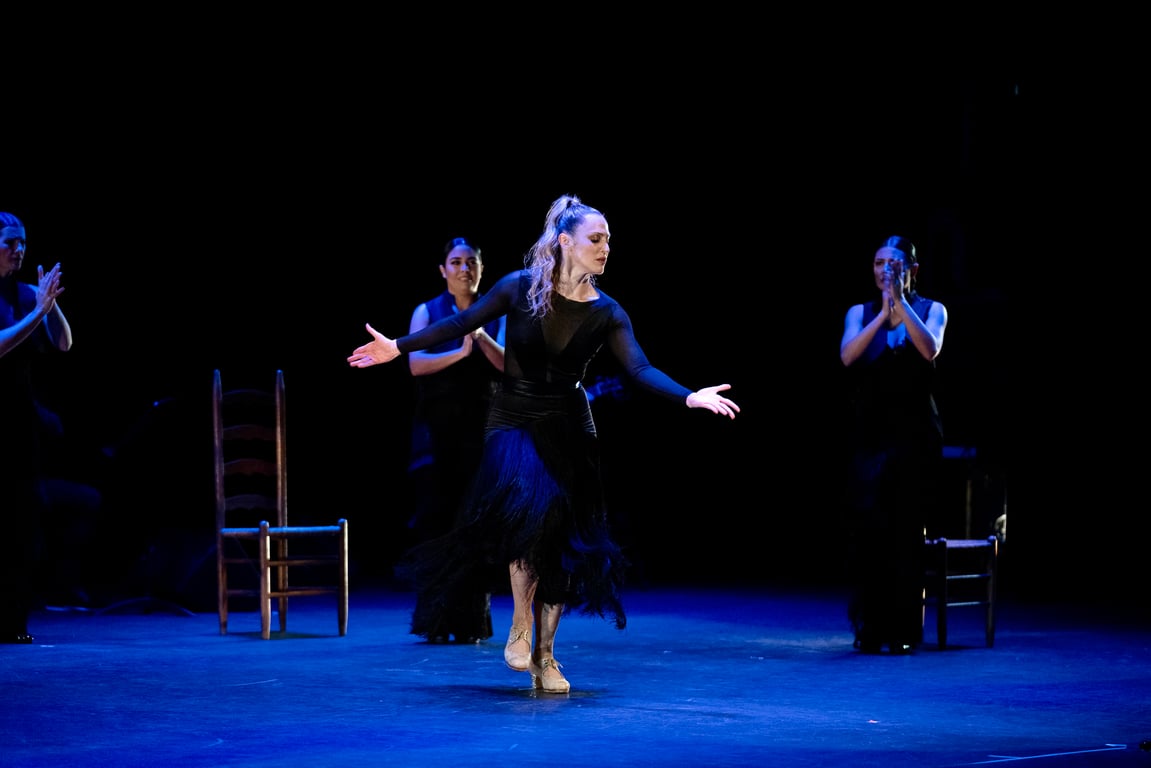
The Flamenco Cajon: History, Sound, and Role
The story of the flamenco cajon, a Peruvian box drum that Paco de Lucia brought into the art in the late 1970s, and how it became the standard percussion instrument of flamenco.
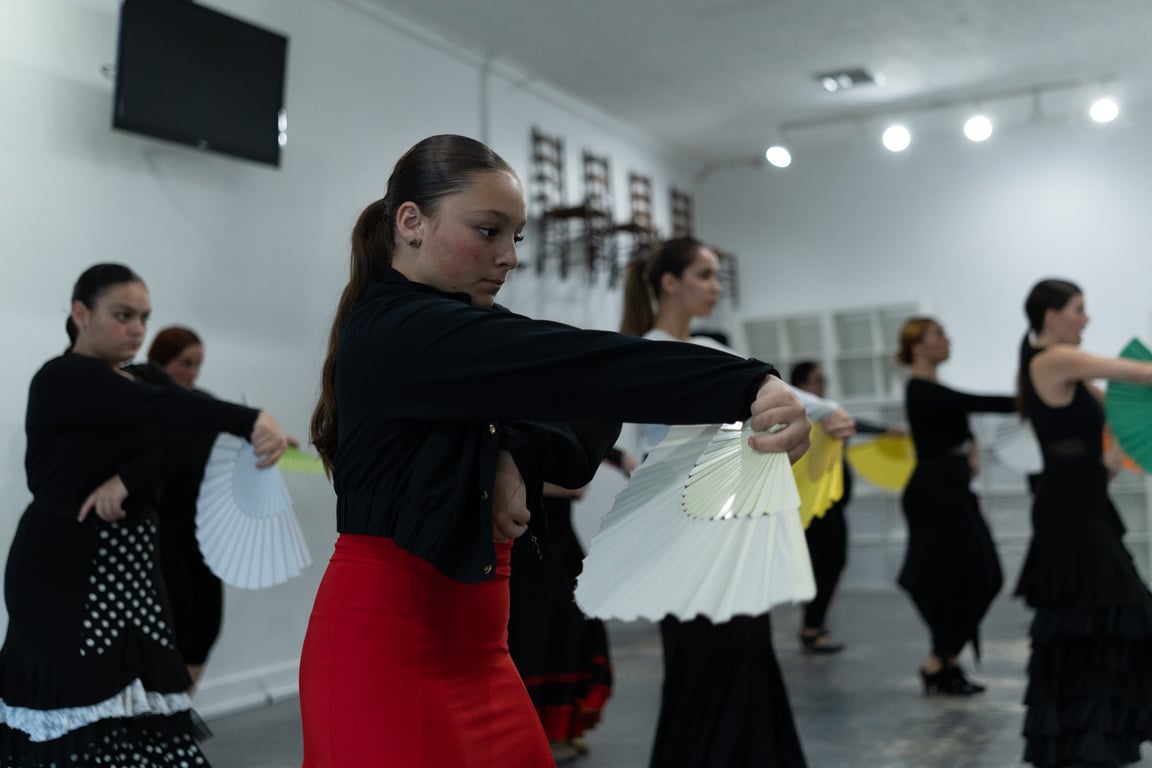
How to Practice Flamenco at Home: A Practical Routine
How to set up a practice space, what to work on and in what order, how to use recordings to slow things down, and how to build a short, consistent daily flamenco routine at home.
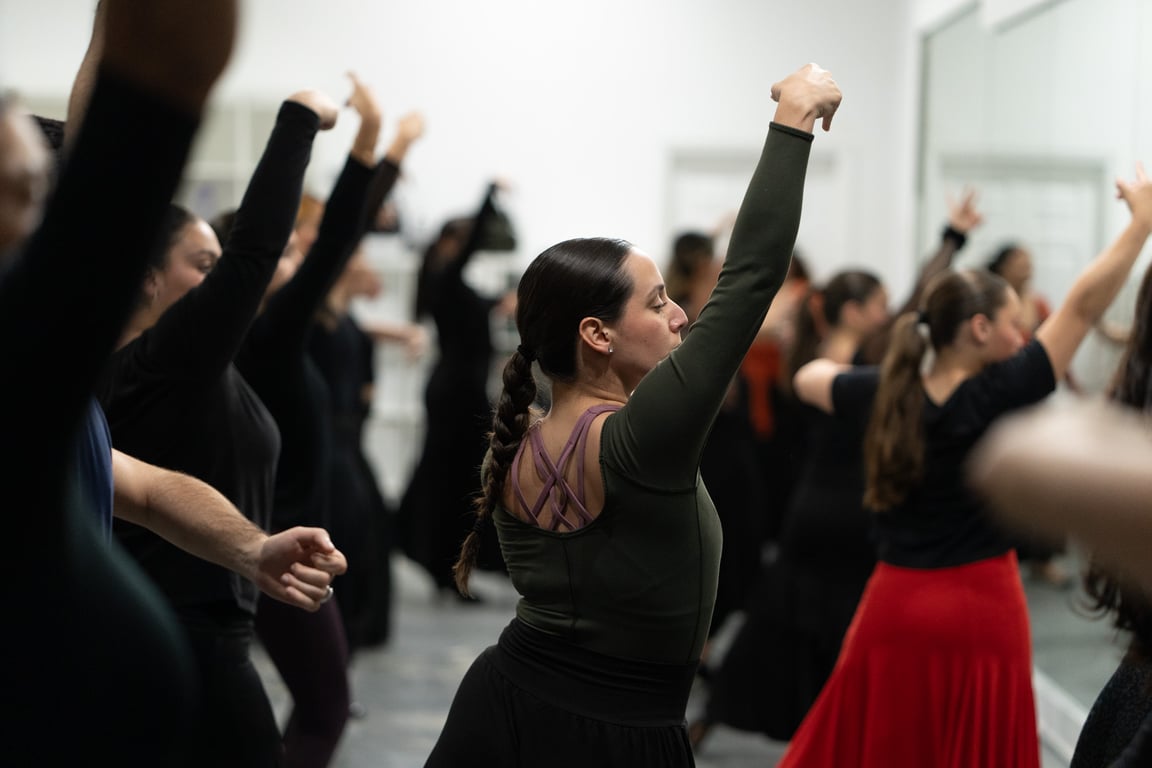
Flamenco for Kids: How Children Can Begin and Benefit
Yes, children can learn flamenco and often thrive at it. Here is what young beginners focus on first, the real developmental benefits, and how to support a child's practice.
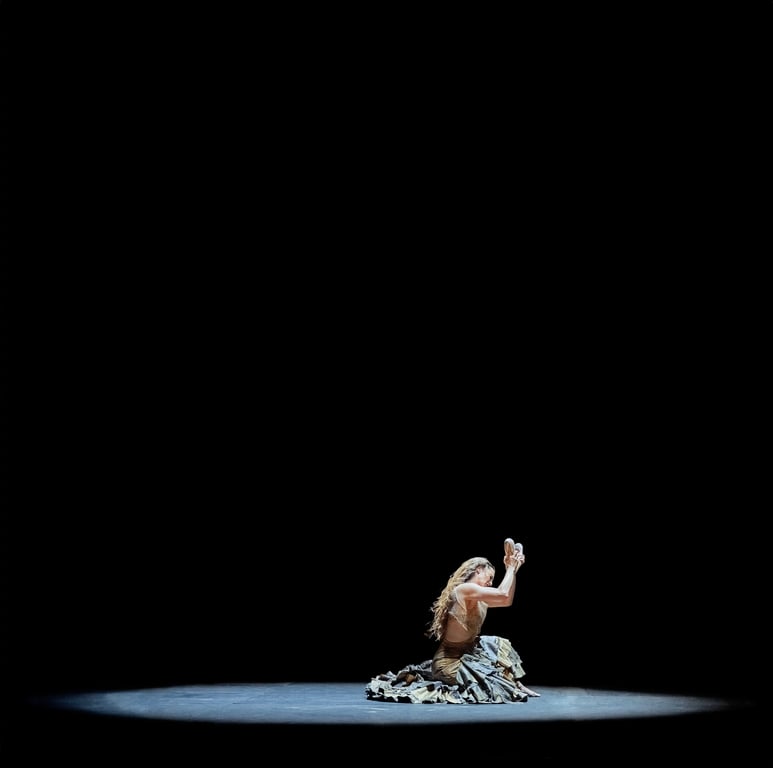
Cantes de Ida y Vuelta: Flamenco's Round-Trip Songs
The cantes de ida y vuelta are the round-trip palos that crossed the Atlantic to Latin America and returned to Spain carrying a lighter, Latin-tinged voice. Here is what they are and who belongs to the family.
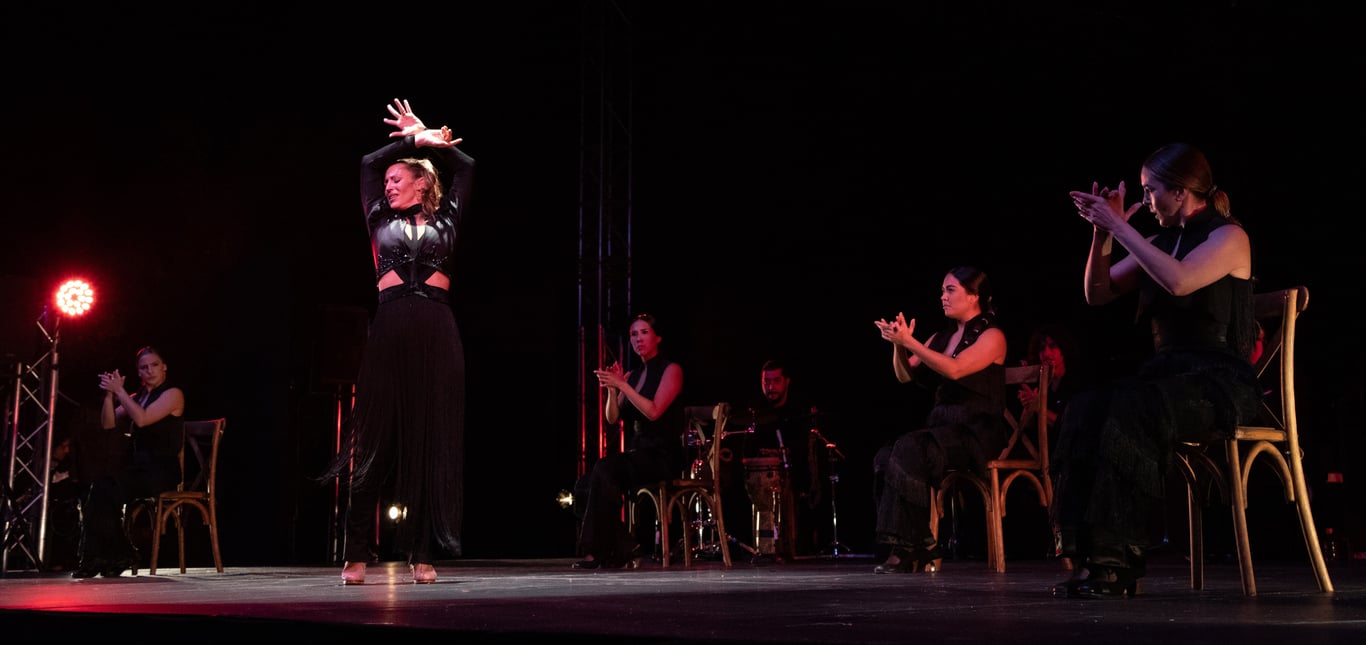
Cante Jondo vs. Cante Chico: The Depths of Flamenco Song
Cante jondo is flamenco's deepest, most tragic song; cante chico its lighter, festive counterpart. Here is how they differ, which palos belong to each, and why the two form a spectrum of feeling rather than a rigid boundary.
What Is Martinete? The Flamenco Cante Born in the Forge
The martinete is one of the great flamenco cantes, sung a palo seco without guitar. Discover its origins in the Andalusian forge and its grave, profound character.
What Is the Malagueña? A Free-Rhythm Cante from Málaga
The malagueña is a melancholic, richly ornamented cante from Málaga, sung in free rhythm rather than a fixed compás. Here is what it is, where it came from, and how to listen to it.
What Is Granaína? The Free-Rhythm Flamenco Cante of Granada
The granaína is a fandango-family flamenco cante from Granada, sung in free rhythm. Here is what defines its slow, ornamented, dreamlike character and the related media granaína.
What Are Peteneras? The Dramatic, Superstition-Shrouded Palo
Peteneras is one of flamenco's most dramatic and solemn palos, set in a twelve-beat metre and famously surrounded by a belief that it brings bad luck to perform it.