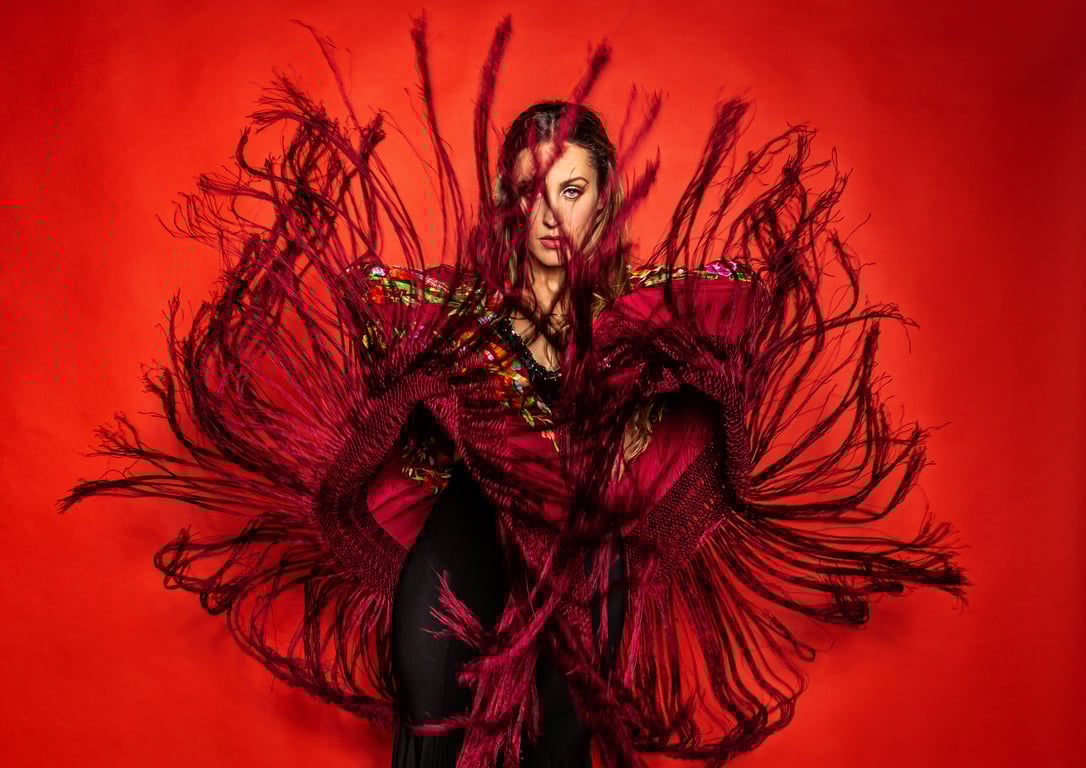
Camarón de la Isla: The Greatest Modern Cantaor
Camaron de la Isla, born Jose Monje Cruz, is widely regarded as the greatest modern flamenco singer. This is the story of his voice, his revolution, and his legacy.
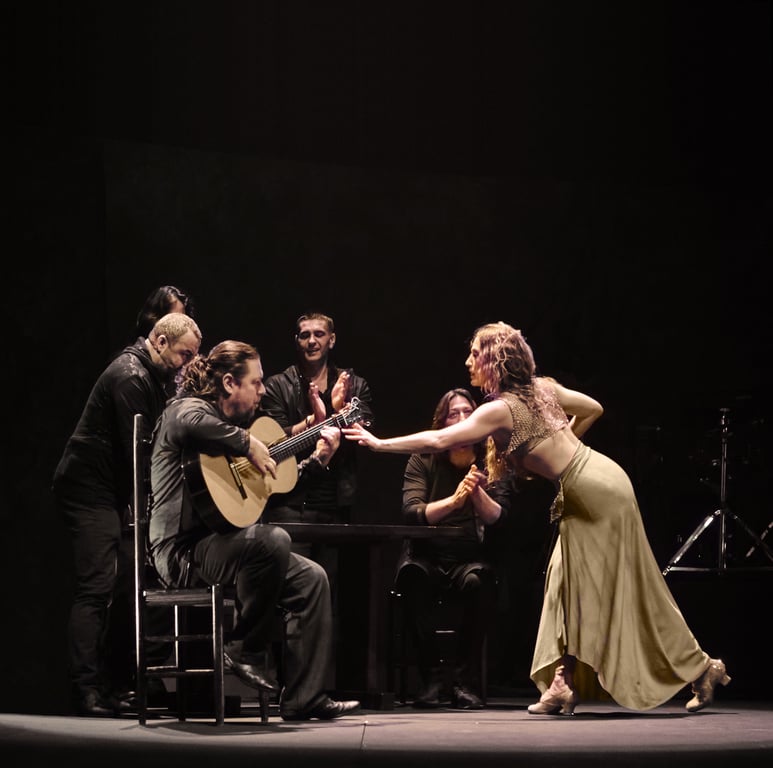
Carmen Amaya: The Bailaora Who Redefined Flamenco Dance
Carmen Amaya rose from the Somorrostro district of Barcelona to become perhaps the most celebrated bailaora in flamenco history, redefining what a woman could do in the dance.
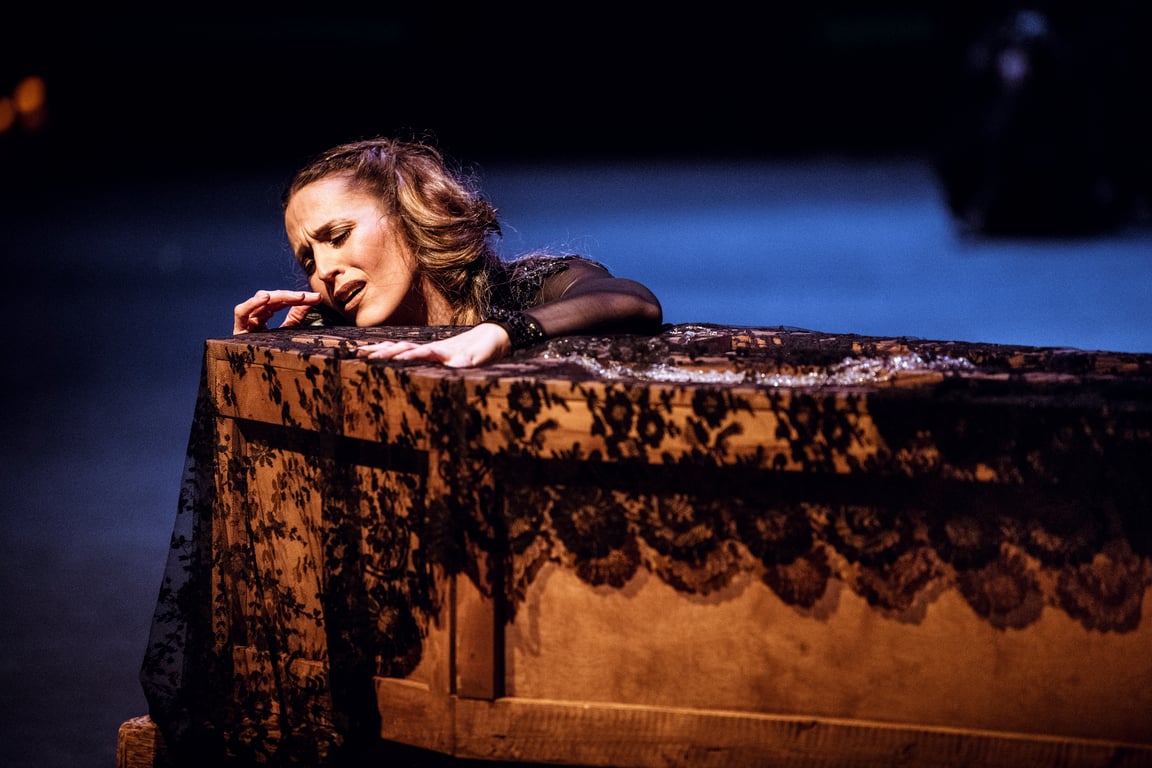
Famous Flamenco Artists: The Great Singers, Guitarists, and Dancers
The most famous flamenco artists reach across three disciplines: cante (song), toque (guitar), and baile (dance). This guide introduces the towering figures and the dynasties that carry the tradition forward.
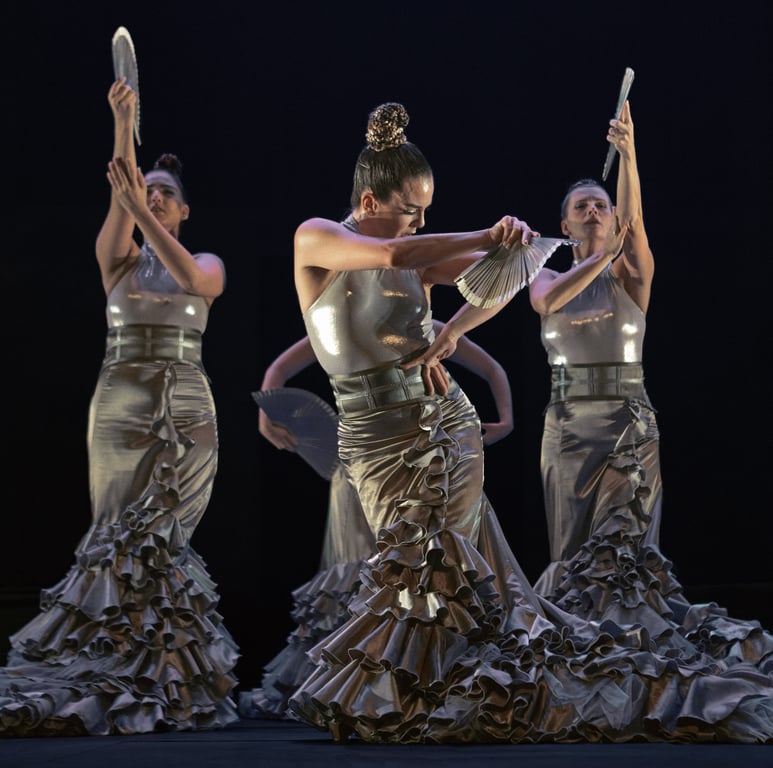
Famous Flamenco Dancers: From Legends to Living Masters
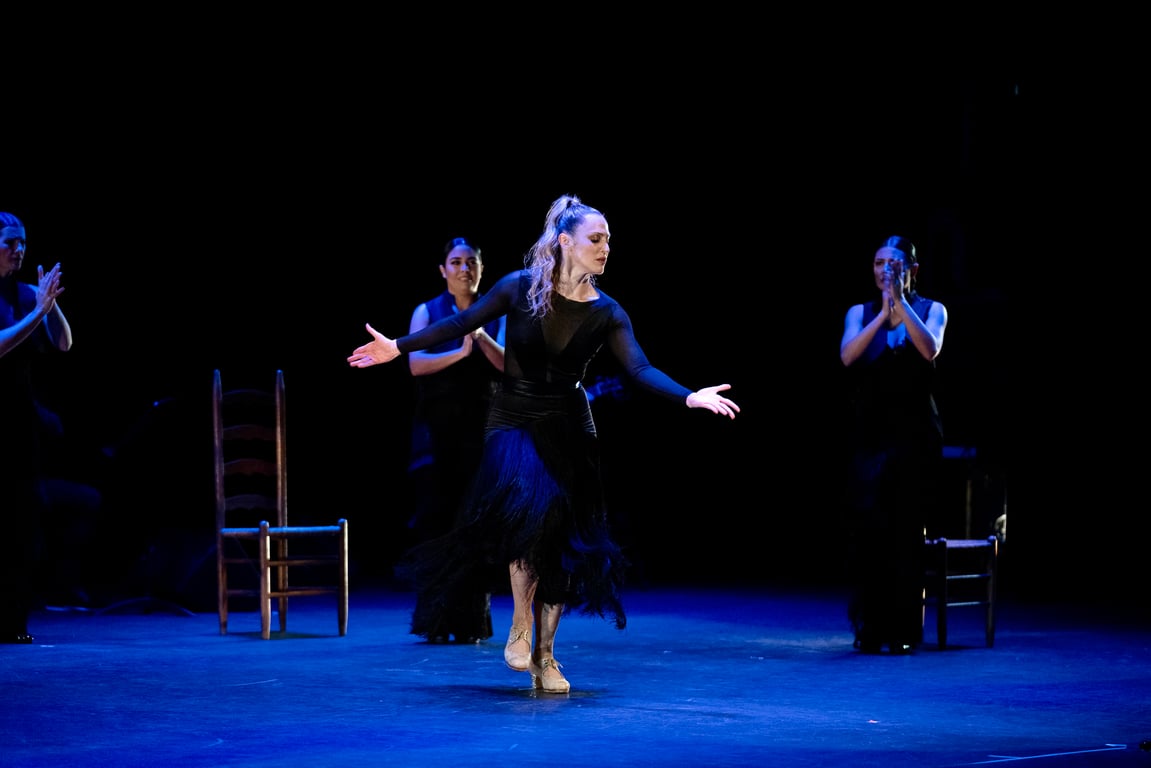
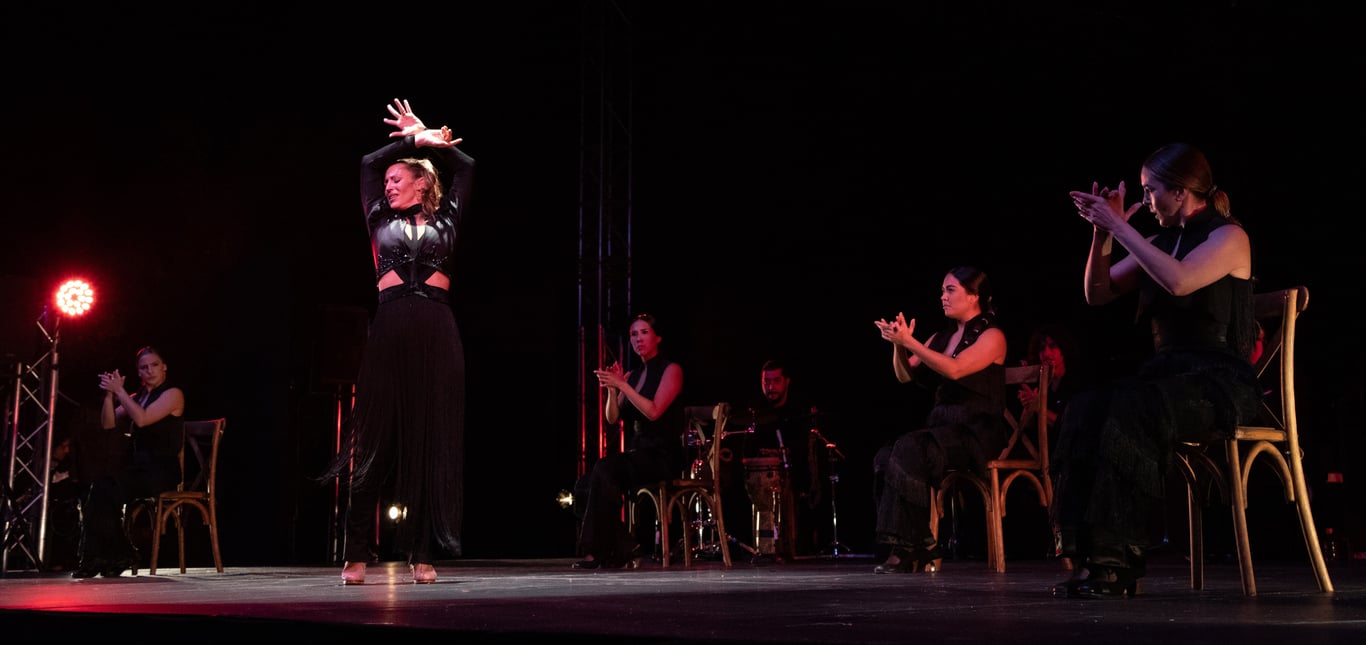
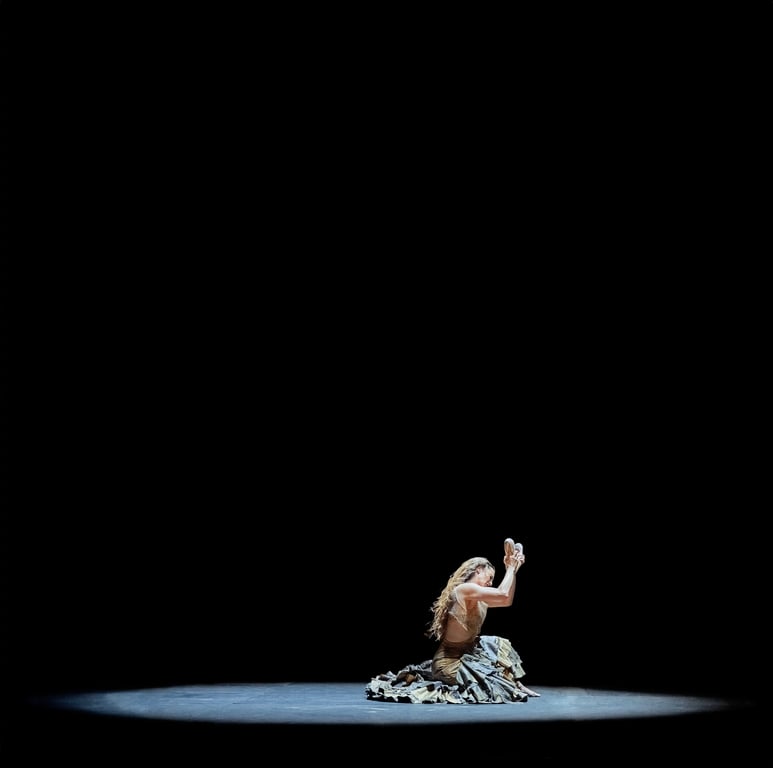
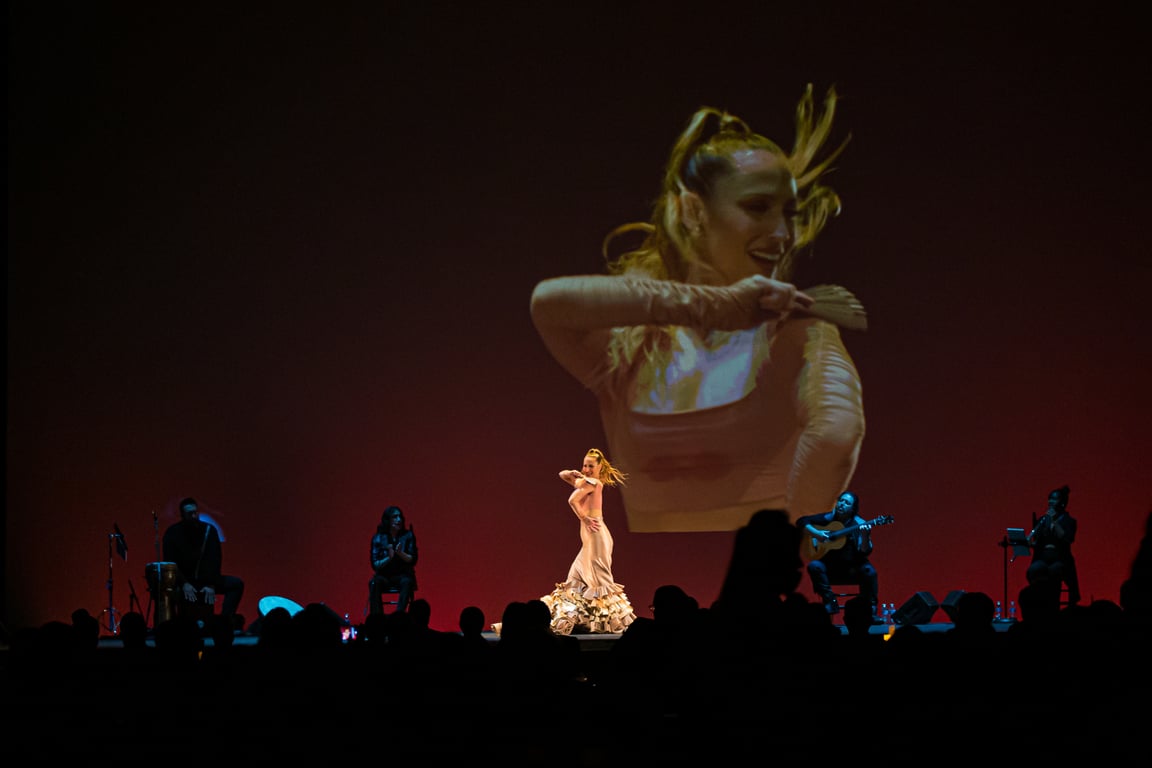
The great bailaoras and bailaores who shaped flamenco dance, from the legendary Carmen Amaya to living masters such as Sara Baras and Farruquito.
Famous Flamenco Guitarists: The Masters of Toque
A guided tour of the masters of flamenco guitar, tracing the toque from the pioneers who made it a solo instrument to the modern virtuosi who reimagined it.
Famous Flamenco Singers: The Great Cantaores and Cantaoras
The most famous flamenco singers, or cantaores and cantaoras, from Camaron de la Isla to the Morente family, and how their voices shaped cante, the emotional root of the art.
Farruquito: Heir to the Farruco Flamenco Dynasty
Farruquito, grandson of the legendary El Farruco, carries one of flamenco's greatest family dynasties. A look at his lineage, his childhood Broadway debut, and his role as a standard-bearer of traditional puro flamenco.
Paco de Lucía: The Guitarist Who Reinvented Flamenco
Paco de Lucia is the most influential flamenco guitarist who ever lived. This biography traces his life, his landmark work with Camaron de la Isla, his flamenco-jazz fusion, and why he changed the art forever.
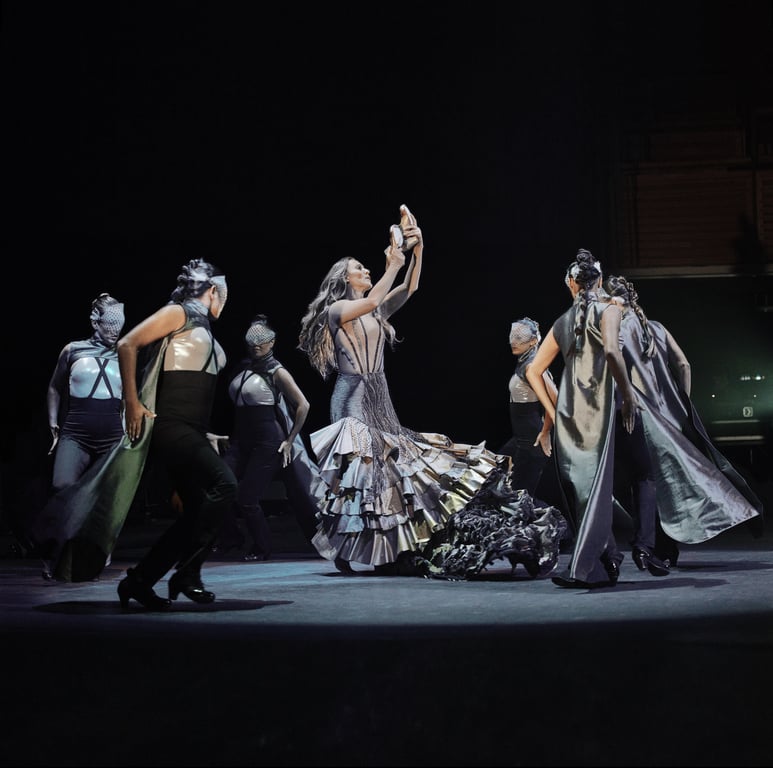
Sara Baras: The Bailaora Who Took Flamenco to the World's Great Stages
Sara Baras, born in San Fernando in 1971, founded her own company in 1998 and became one of flamenco's most influential dancers, known for precise footwork and large-scale touring productions.
What Is Taranto? The Danceable Mining Palo Explained
Taranto is a somber, dramatic flamenco palo born of the mining communities of eastern Andalusia. Here is what it is, how it relates to tarantas, and why it can be danced.
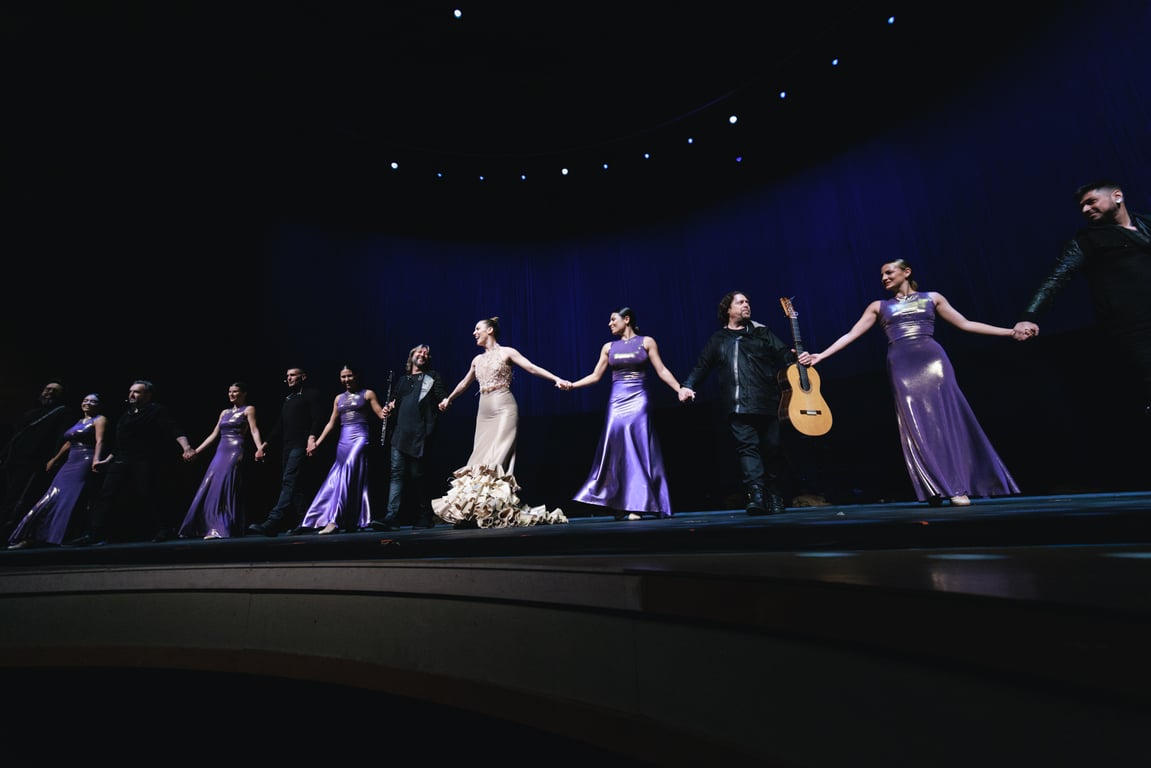
What Is Rumba Flamenca? Flamenco's Most Accessible Palo
Rumba flamenca is the festive, pop-friendly palo that traveled to Cuba and came home again. Here is what it is, where its four-beat rhythm comes from, and why it is the most accessible flamenco form for beginners.
What Is Farruca? The Forceful Flamenco Dance Explained
Farruca is a flamenco palo with roots in northern Spain, historically danced by men and built on forceful, virtuosic footwork. Here is what defines it.